By Dr. Elizabeth Garner and Joe Kiernan, copyright January 2014
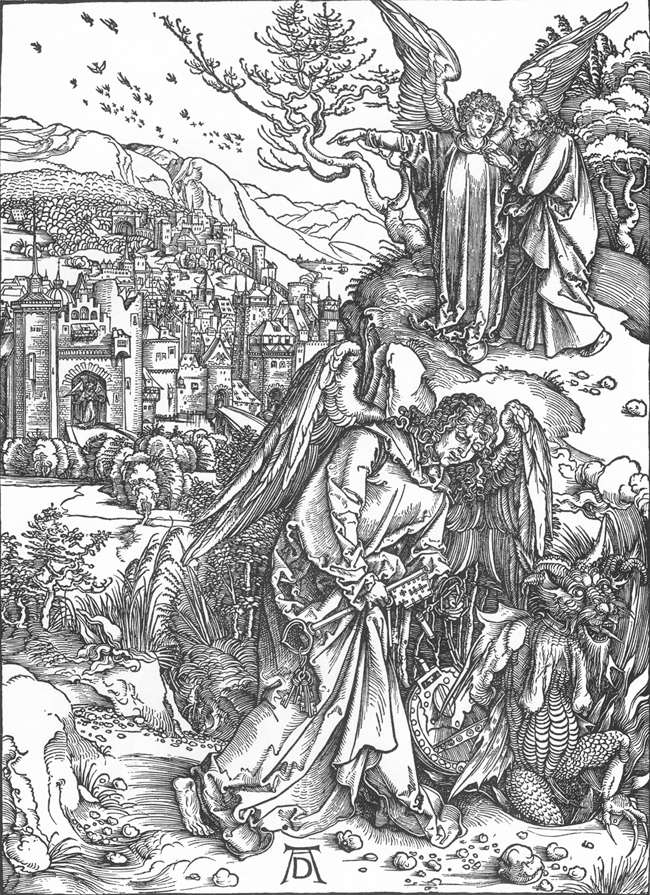
POISON PAINTINGS: In PART I of this series you were informed about how POISONOUS the pigments were that Albrecht or Margret Durer used in paintings, especially the reds, the greens, the blues, the whites, the yellows and the blacks. And we learned that German curators have long overlooked these lethal components.
Continuing our investigation into the chemical composition of 16th-century masterworks, we analyze how contact with these heavy metals—realgar, orpiment, and lead-based whites—presented a distinct danger to the patronage who displayed these works in their private chambers.
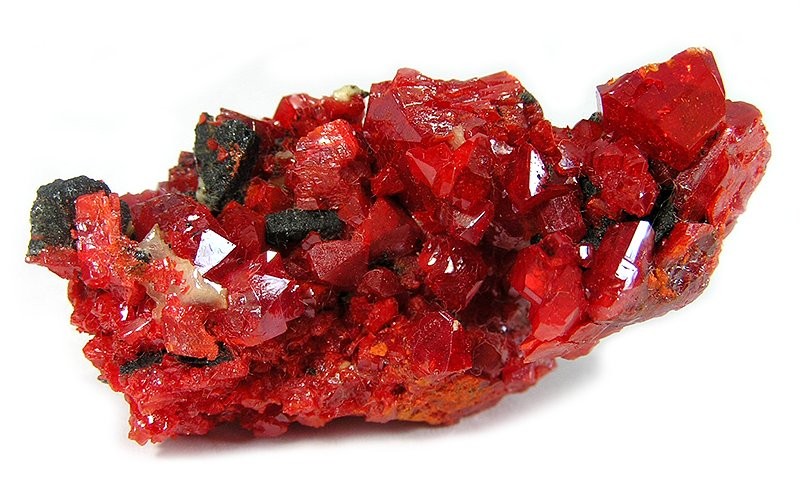
Sample analysis of historical pigment compounds
Recent spectral imaging suggests that the binder ratios used by the Durer workshop were inconsistent with contemporary safety protocols of the era. If the varnish failed, the toxic dust would become airborne, potentially poisoning those closest to the canvases.